Waterline Environmental

Waterline is the recommended Environmental Contractor as seen on Holmes on Holmes!

  • About
  • Industrial Tank Removal
    • Diesel Generator Fuel Systems
    • Above Ground Liquid Storage
  • Residential Tank Removal
    • Soil Remediation
    • Foundation Underpinning
  • FAQs
  • Blog
  • Contact

October 11, 2019 by Waterline Environmental

What To Expect When You Book An Appointment For Oil Tank Removal

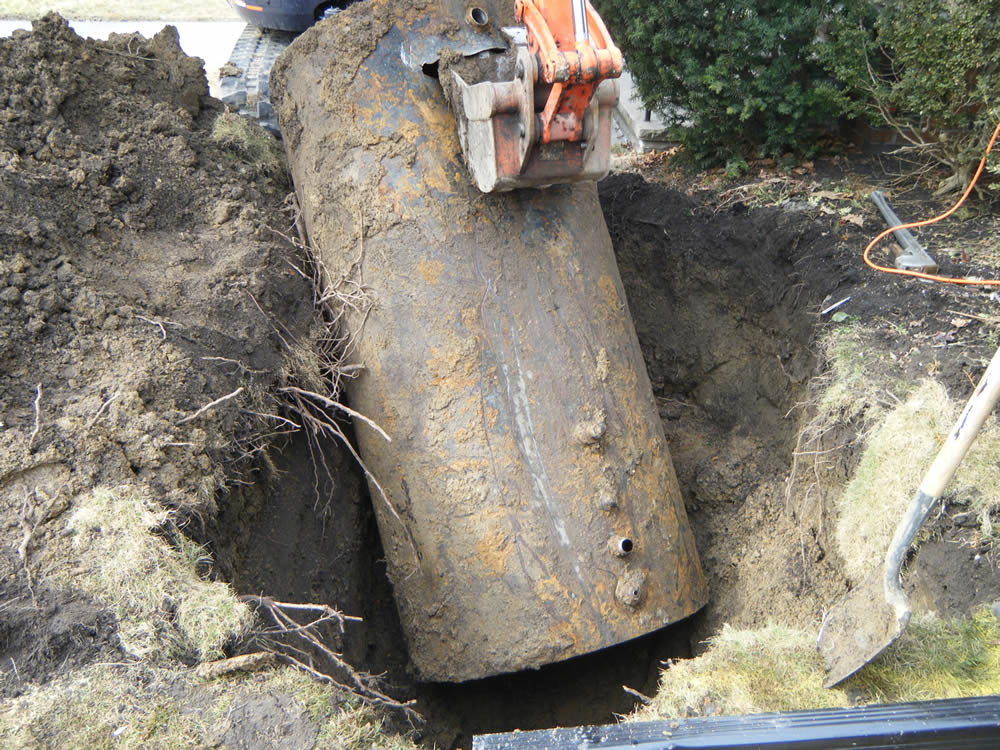
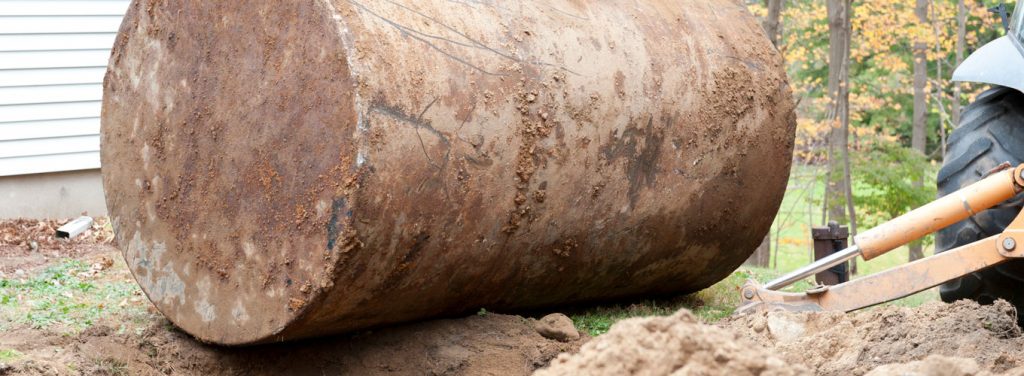
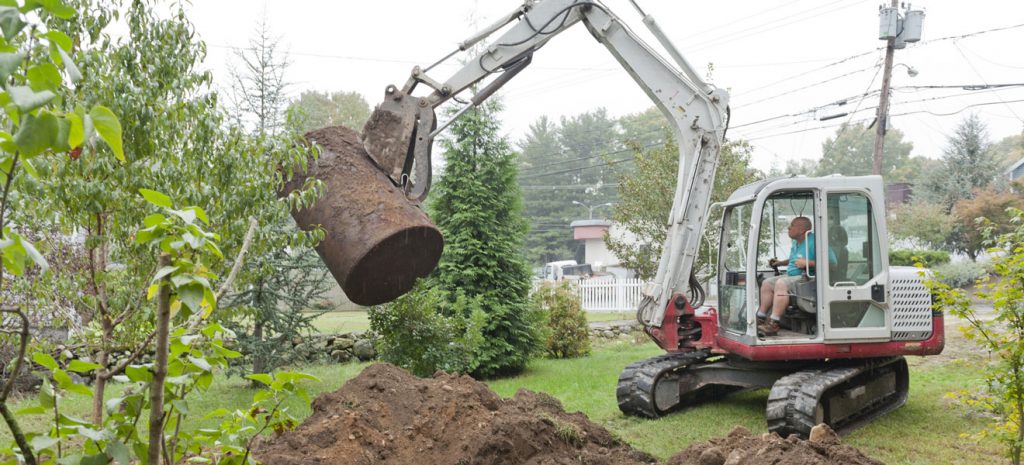
A man uses a compact excavator to remove an old, rusty underground oil tank from a residential yard.

Are you suspicious that a residential oil tank may be lurking beneath your property?

Are you looking to sell a home built before 1982?

If so, it’s a good idea to call professional oil tank removers, such as Waterline Environmental, to assess and address your concerns. Here’s what to expect when you book an appointment with us:

1. Contact Us With Your Oil Tank Concern

Simply call Waterline President Stu Ferguson at 905-876-8298 and explain what kind of property you have, where you live, and what the reason is for your call. Once you’ve had a chance to chat, we’ll set up a time we can come and visit your property.

2. Arriving On Site

On the scheduled date, we’ll arrive on-time and prepared to investigate your oil tank concerns. Our team is fully trained and equipped to provide you with the answers and advice you need during this period of unknowns.

Construction workers holding a clipboard

3. Oil Tank Detection

We’ll begin our oil tank search with a visual inspection. Should we detect any 2 inch fill pipe appearing through your lawn, porch, or anywhere around your home, this is a good indication an oil tank lives below.

In most cases, if an oil tank has been removed from your property in the past, the fill pipe would have been removed too.

We’ll also look for vent pipes. Vent pipes were once used to provide ventilation for underground oil tanks, as oil was transferred to heat your home. If you notice one of these vent pipes, it is critical that you have the oil tank and vent pipe removed as soon as possible.

How To Know If You Have a Residential Underground Oil Tank

4. Plan Of Oil Tank Removal

At this point in our process, we’ll have either detected that you may have a tank, or have determined you do not have a tank on your property.

No Tank = Oil Tank Certificate

If no tank is detected during our search, we’ll issue you a certificate that indicates no oil tank was located and your property is free of risk.

Yes Tank = Free Quote

Our Waterline Team will conduct an efficient and thorough oil tank removal quote and provide you with an estimate that is as accurate as possible. We can guarantee that our prices are transparent and we include no hidden fees. We always put both you and the environment first.

5. Getting Started With Your Oil Tank Removal

When an underground oil tank is detected, it must be removed. All service locates are done by Waterline prior to excavation. We will hand-dig to confirm services that may be close to the underground tank (Hydro, gas, etc).

6. Oil Tank Excavation

Dedicated to your safety, we’ll carefully excavate over the tank and store soil on site for backfill.

7. Pumping Oil Out Of Your Tank

Before removing oil, Waterline Environmental specialist will cut open the tank. We will then remove all remaining liquid and sludges that may exist within the tank.
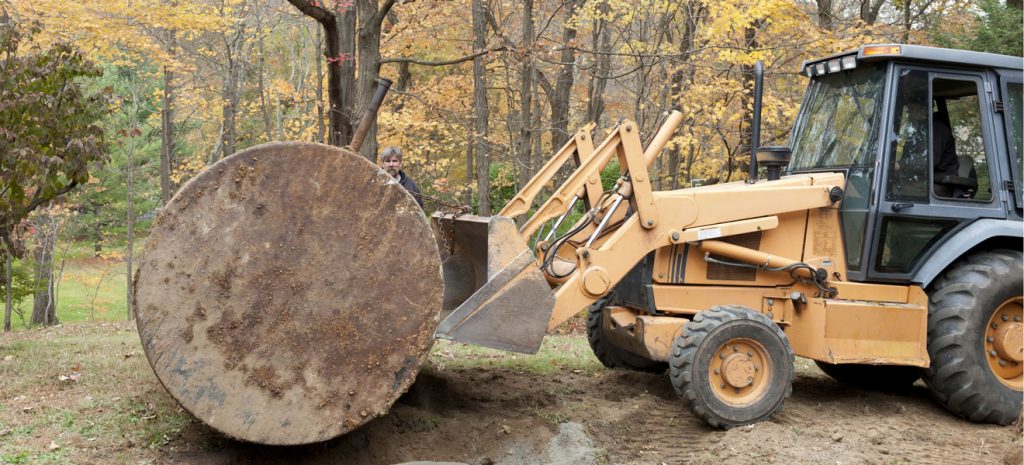
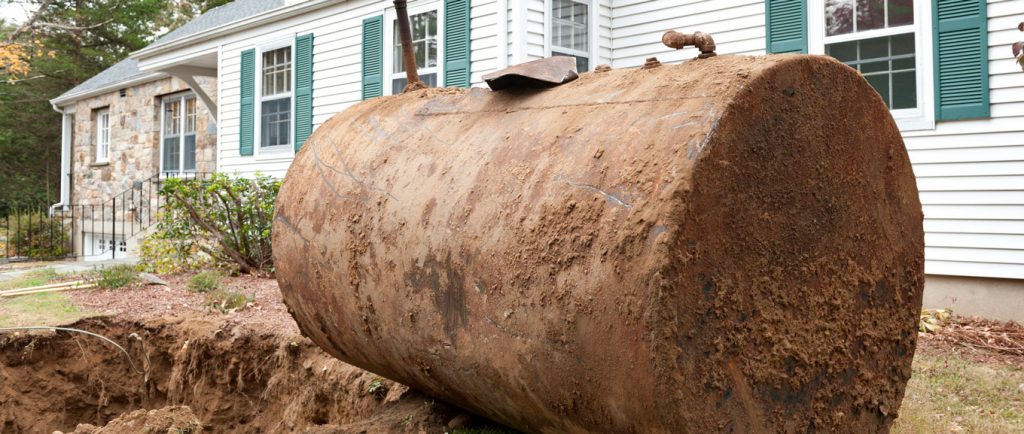
A man sitting in an excavator removes an old, rusty underground oil tank from a residential yard.

8. Oil Tank Removal

Finally, we will remove the tank from the ground and inspect for corrosive failure.

9. Sampling Your Soil For Contamination

When a fuel tank is expertly removed, a perimeter analysis of the tank is taken. Once the level of contamination has been estimated, workers dig the contaminant out completely – placing the removed soil in a lined, leak-free bin.

Contaminated soil is concerning as oil can impact soil quality, the health of your family and neighbours by contaminating well water / ground water and prevent the resale of your property.

Scientist holding soil sample for testing in the field. Laboratory examination for soil fertility and food production.

10. Soil Testing

The Waterline team performs a thorough soil analysis, verified by a Professional Geoscientist.

If Clean Sample = All Good


If the site complies with environmental regulation criteria, the tank nest can be backfilled with clean soil and reported as having met all requirements. We will then dispose of your tank and all associated piping to a registered recycler. We will also remove any fill and vent from the perimeter of your home or building, and ensure your property is clean and orderly before we depart.

If Contaminated Sample = Remediation Needed

If the soil analysis determines that the soil has a higher part per million (ppm) than the Ministry of Environment guidelines permit, the soil will need to be removed and transported to a registered receiver for remediation.

There are two processes that Waterline uses for remediating contaminated soil – in situ bioremediation or pump and treat. We will provide you with detailed information on which next steps need to be taken to clean your soil.

5 Reasons Soil Analysis Is So Important

11. Re-Testing

Once remediation is complete, your soil must be re-tested to verify compliance.

12. Clean Sampling

Once our Geoscientist has cleared your property, the tank nest can be backfilled with clean soil. If we haven’t done so already, we will remove any fill and vent from the perimeter of your home or building, and ensure your property is clean and orderly before we depart.

13. Clean Report

In the end, a final report is signed by the attending P.Geo all to MOE & E, CSA and TSSA code requirements.


Contact Waterline Today!

To learn more about our oil tank removal service, contact us today or visit our FAQ page.
Filed Under: Uncategorized

April 24, 2019 by Waterline Environmental

Are Oil Tank Removal Costs Covered By The Government or Insurance?

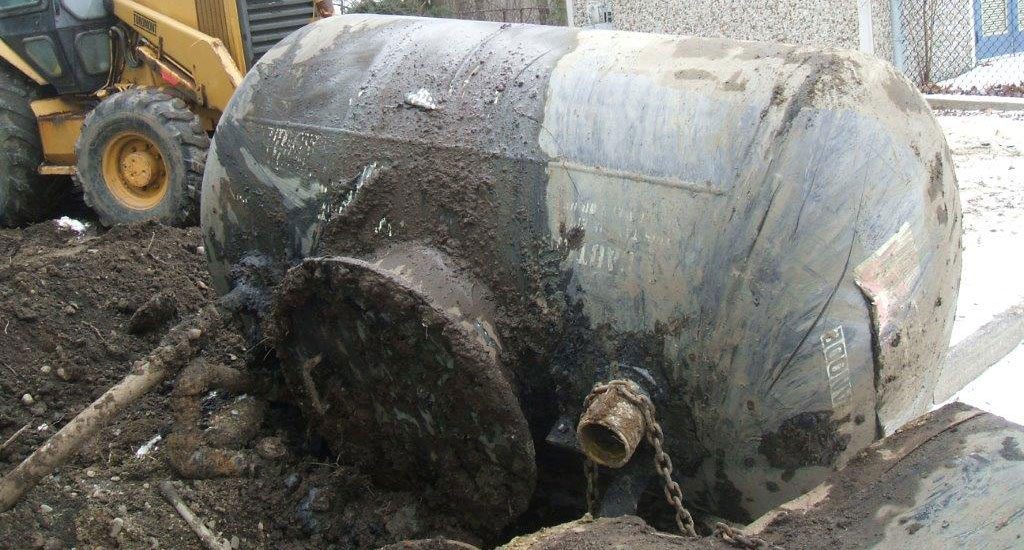
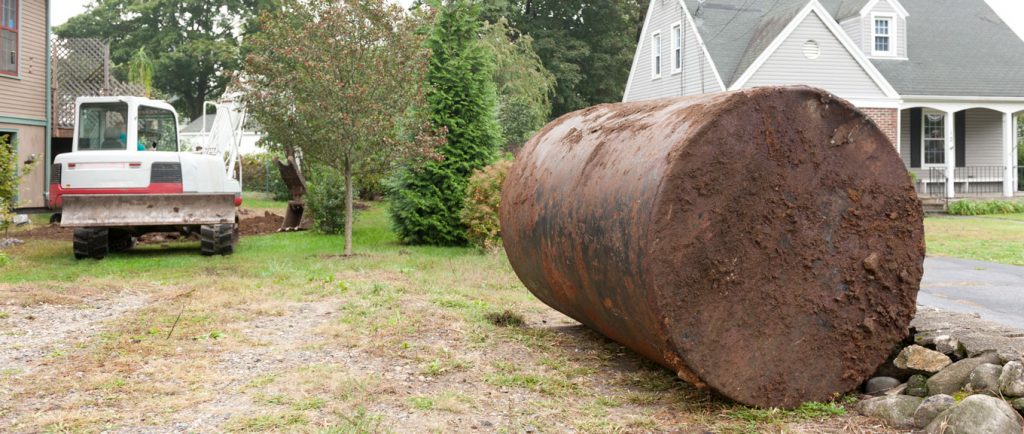
Residential underground oil tank after removal from ground

At Waterline Environmental, one of the most frequent questions we’re asked is: will my oil tank removal costs be covered?

In this article, we explore this question among others:

Will the Canadian Government pay for my oil tank removal?

Unfortunately, the Government of Canada DOES NOT cover oil tank removal costs.

If you have an underground oil tank on your property, your tank is exempt from Federal Regulations. However, if this tank releases harmful oil into its surrounding area, you are no longer exempt from Federal Regulations.

If it is discovered that oil has leaked from your tank, you will need to take immediate and reasonable measures to address the spill and report it. Failure to take action or to report the spill is against the law.

Small house in foreground, insurance agent and client signing papers in background

Will my insurance company cover the oil tank removal cost?

Most home insurance policies DO NOT cover the damage to your home resulting from oil spills. In some cases, liability coverage MAY cover some of the cost if oil spills onto the property of your neighbour.

Without insurance that includes specific mention of oil tank spills or leaks, you will likely be fully responsible for the clean-up process and the associated costs with doing so.

If I’ve found a residential oil tank on my property, what’s the first thing I must do?

If you have discovered a residential oil tank during your attempt to sell your home, it becomes your legal responsibility to remove the tank or to disclose the presence of the tank to prospective buyers.

If you are interested in buying a home where a residential oil tank is present, we suggest that you do not purchase the home until the tank is removed and the soil has been tested for contamination while still under the ownership of the sellers.

If the current owner of the property does not have any paperwork on the oil tank, this is a clear sign the tank has not been removed or tested, and this paperwork does not exist. While their tank may not yet be leaking, over time, this tank may begin to spill, making it your problem in the future.

In other words, if an oil tank is not in use, it should be removed so that it does not create an environmental hazard that becomes more costly over time.

How to Spot Oil Tanks

If my tank is leaking, what action must I take?

Call a TSSA registered fuel oil contractor like Waterline Environmental to help you find and stop the leak and clean up any leaked fuel oil with soil remediation. You are also required to call the Spills Action Centre of the Ministry of Environment at 1-800-268-6060. Your insurance company may also be able to assist you.

tank removal

How much does it cost to remove an oil tank from the basement in Canada?

Costs from removing residential oil tanks vary for a number of reasons. However, costs typically fall between $450.00 and $1,500 for removal.

How much does it cost to remove an oil tank from the ground in Canada?

Depending on the location of the tank, underground oil tank removal can cost $4,500 to $5,000 for a typical 500 gallon (2250 litre) steel tank.

What does the oil tank removal and clean up process include?

  1. Removal of the tank from your property
  2. Removing contaminated soil from the tank nest if needed
  3. Testing soil for contamination and providing a detailed report


How We Can Help

Waterline Environmental is pleased to serve a wide geographic area within Ontario including Toronto, Hamilton, Burlington, Oakville, Guelph, Cambridge, Kitchener, Mississauga, Brampton, Brantford, Barrie, and Collingwood.

Contact us today for all of your oil tank removal needs.

Email: waterline1943@gmail.com

Direct: 905-876-8298

Filed Under: Uncategorized

April 24, 2019 by Waterline Environmental

How to Know If You Have a Residential Underground Oil Tank

Residential Underground Oil Tank

Residential underground oil tanks can be risky – especially if one is leaking on your property and you’re unaware of it.

Not sure how to know if your home may have an underground oil tank beneath the surface? In this article, we’ll explain some signs you should look out for and what you will need to do if you suspect an oil tank exists.  

1. Fill Valves

Fill Valves

As a home or property owner, you’ll want to look for fill valves in your yard or in your home. Fill valves were once used as the access point for underground oil tanks to be filled. Therefore, if you find a fill valve, you likely have a tank just below you. If you find a valve near your gas meter, you can also be sure you have an abandoned oil tank underground. 

Outdoor Fill Valves

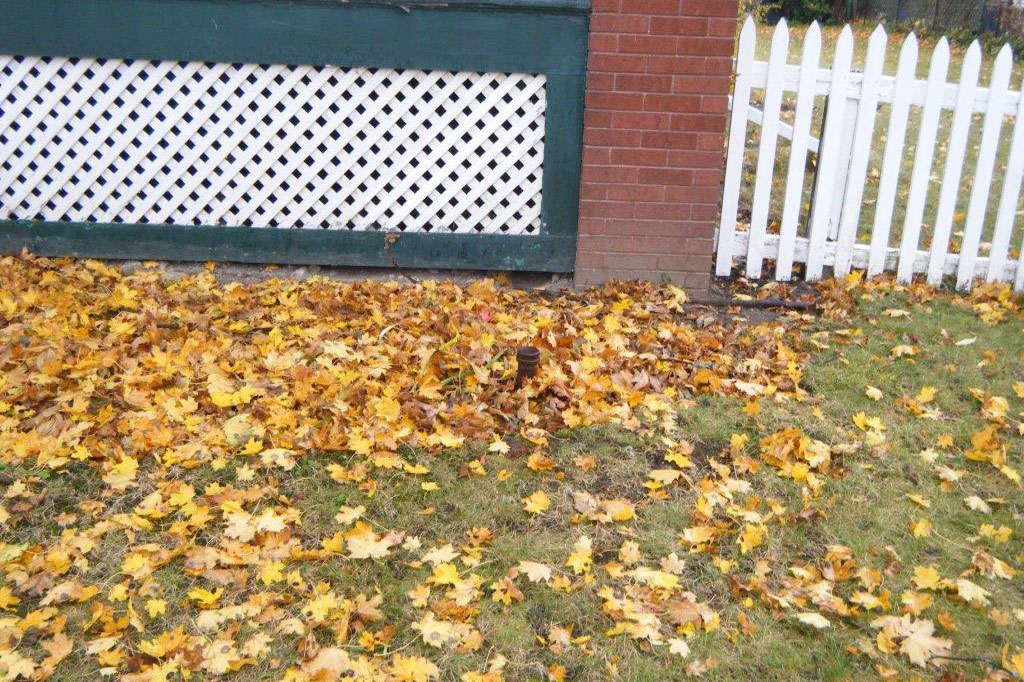
Head outside and take a look within a ten to twelve foot radius of your home. What you’re looking for is something called a “fill valve.” If present, a fill valve will typically be located just a few inches above the ground in your lawn or garden. However, in some cases, your fill valve may be flush with the ground or covered with snow or leaves – making it harder to detect.

What if the oil tank was already removed? 

In most cases, if an oil tank had been removed from your property in the past, the fill valve would have been removed too.

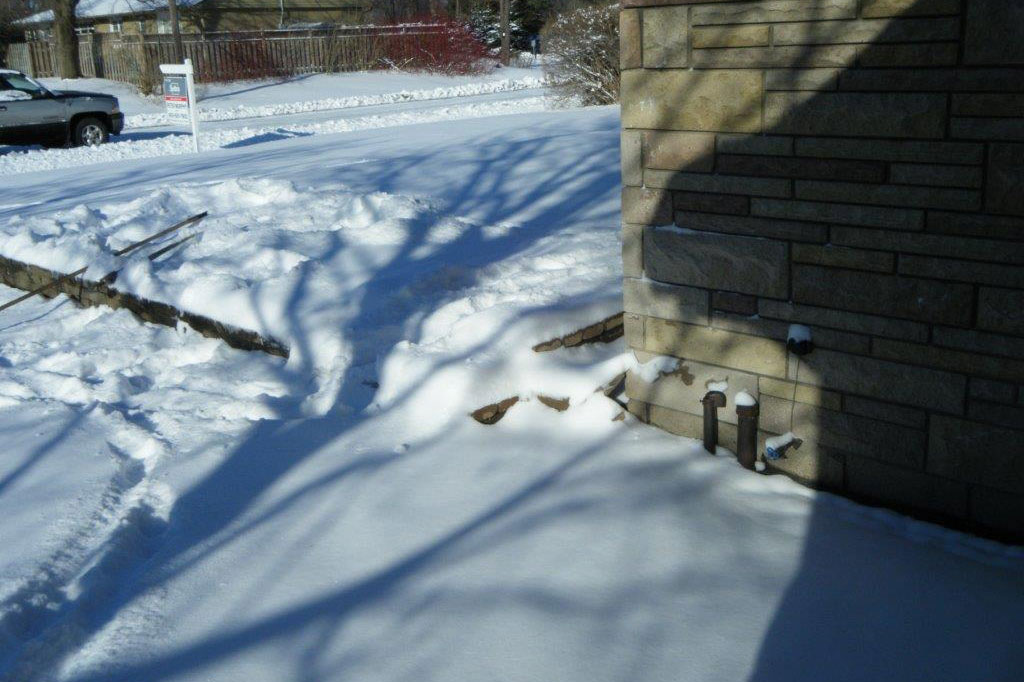
Vent and fill pipes hiding in the snow
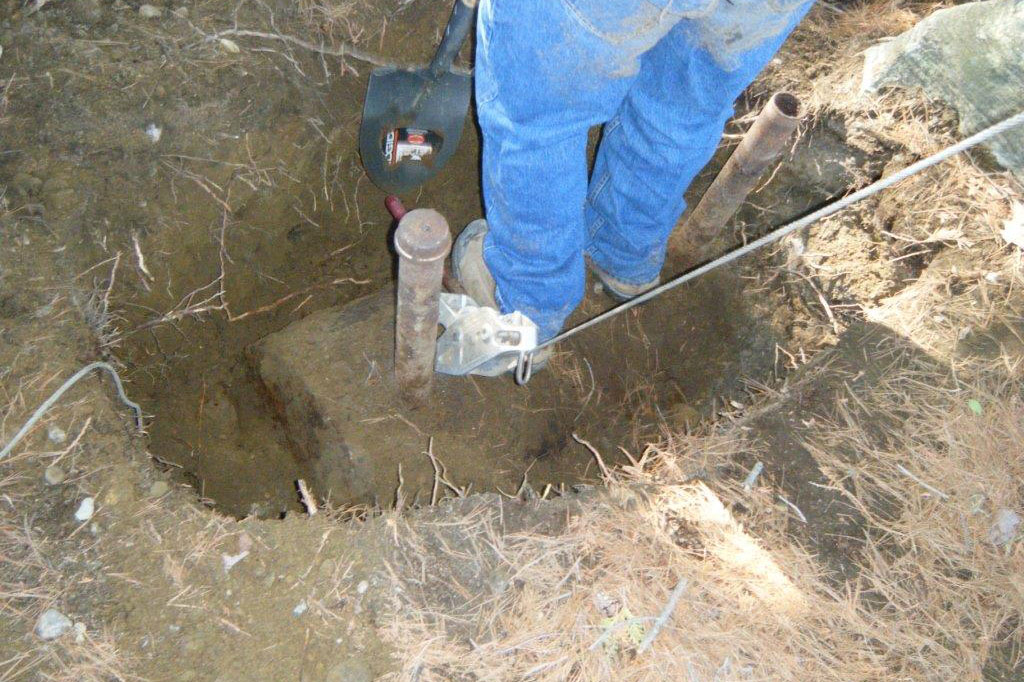
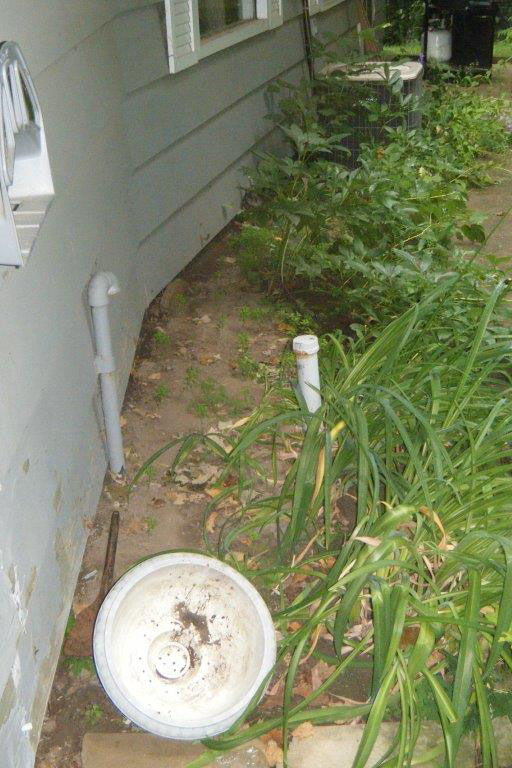
Sneaky two- inch pipe in the leaves - see middle of photo

Indoor Fill Valves

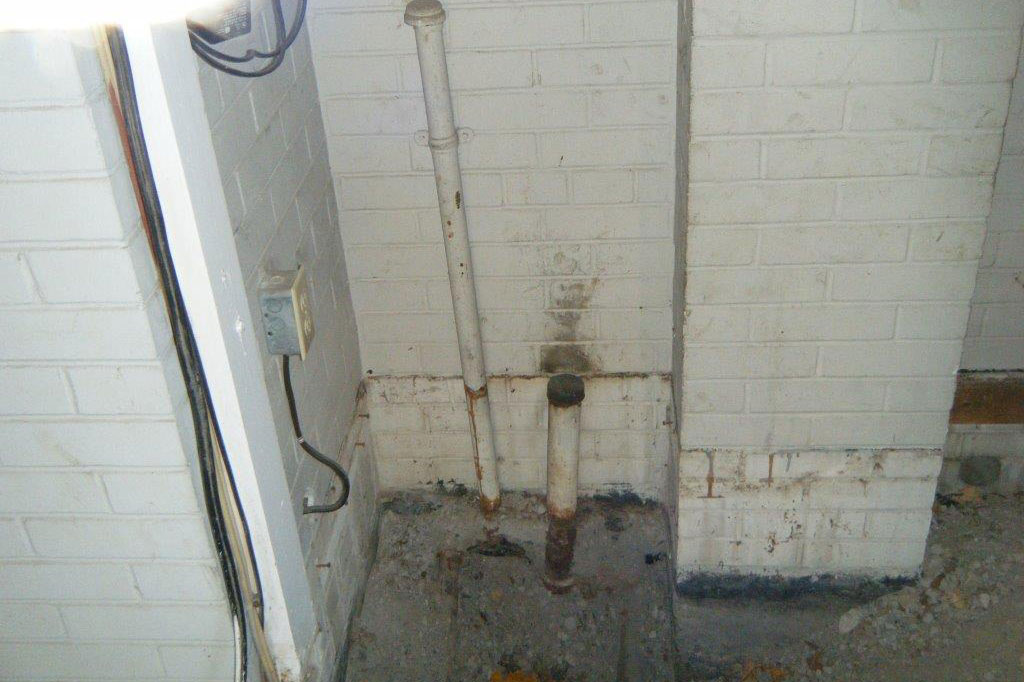
If you notice a vent or fill valve coming out of the ground in your home, odds are you have an underground tank that will need to be removed. Please see the following photo for reference.

Vent and fill proceeding into the ground indicates an underground tank

2. Outdoor Vent Pipe

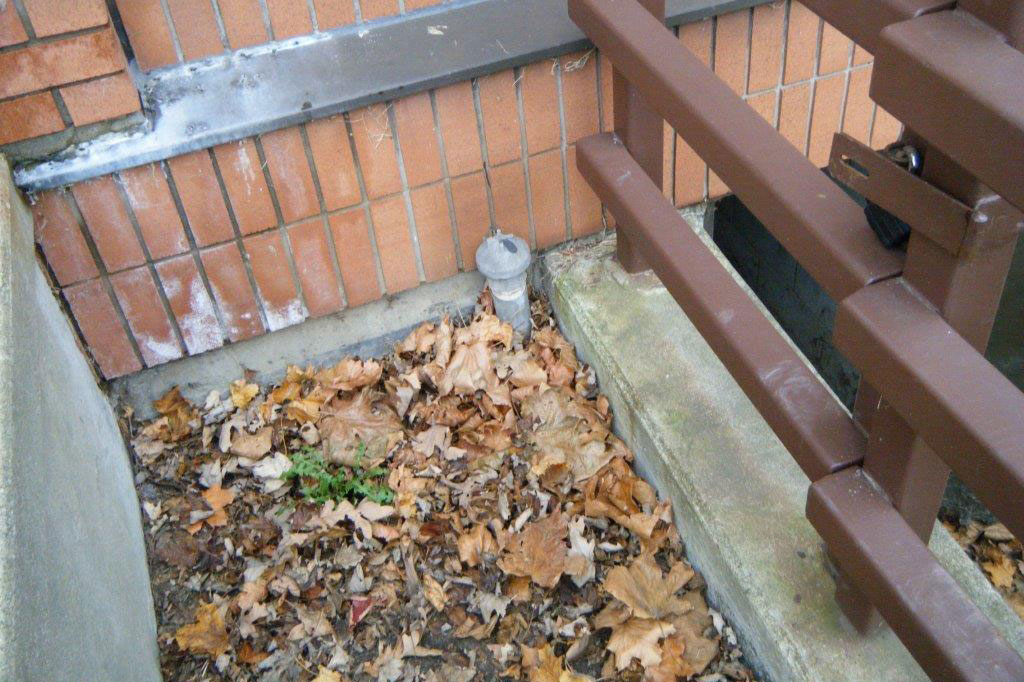
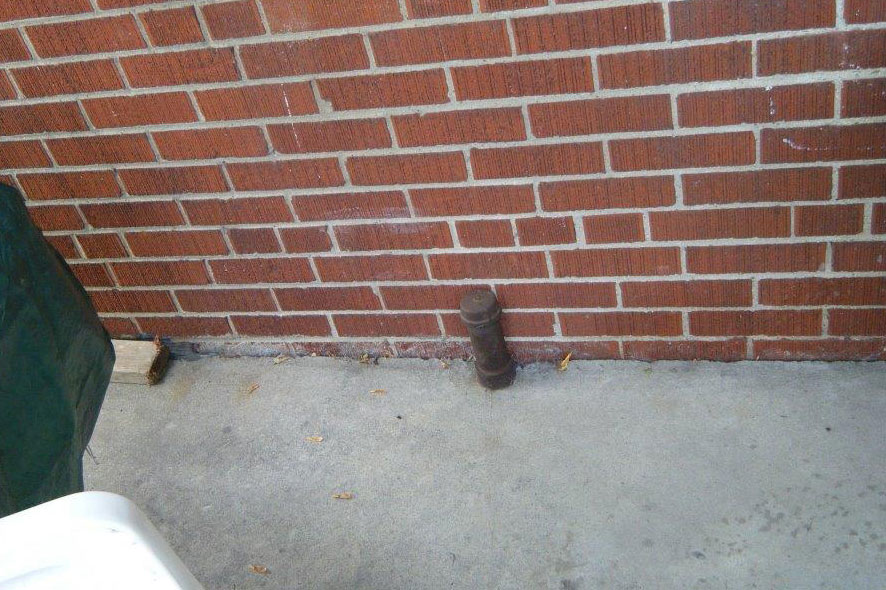
While outside your home, be sure to also check for vent pipes. A vent pipe will likely be visible about six to twelve inches above the ground. Approximately two inches wide, this pipe will be identifiable by the cap on its top.

Vent pipes were once used to provide ventilation for underground oil tanks, as oil was transferred to heat your home. If you notice one of these vent pipes, it is critical that you have the oil tank and vent pipe removed as soon as possible.

Underground vent beside concrete retaining wall
Pipe through a concrete porch

Indoor Vent Pipe

If you notice a vent or fill valve coming out of the floor in your home, contact the professionals at Waterline Environmental

3. Indoor Copper Pipes

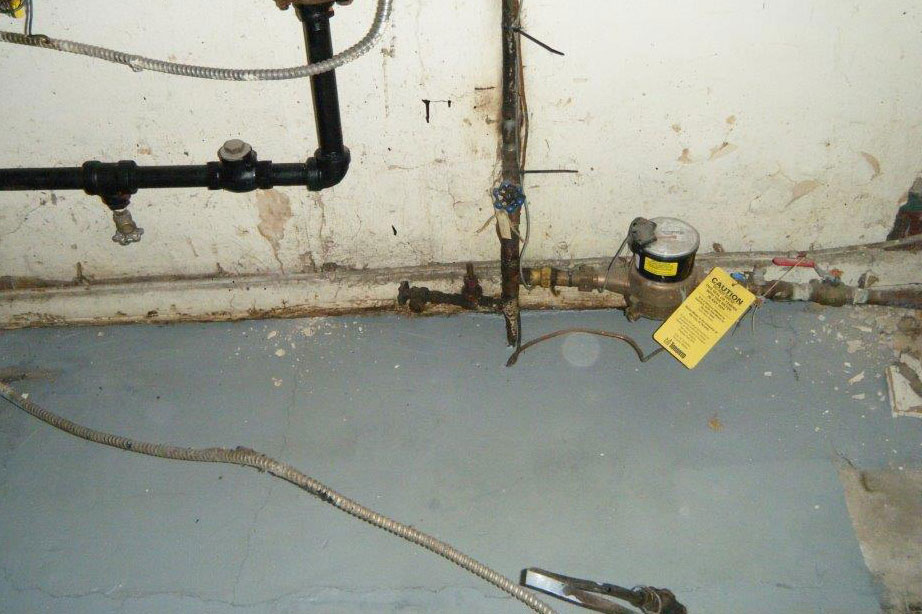
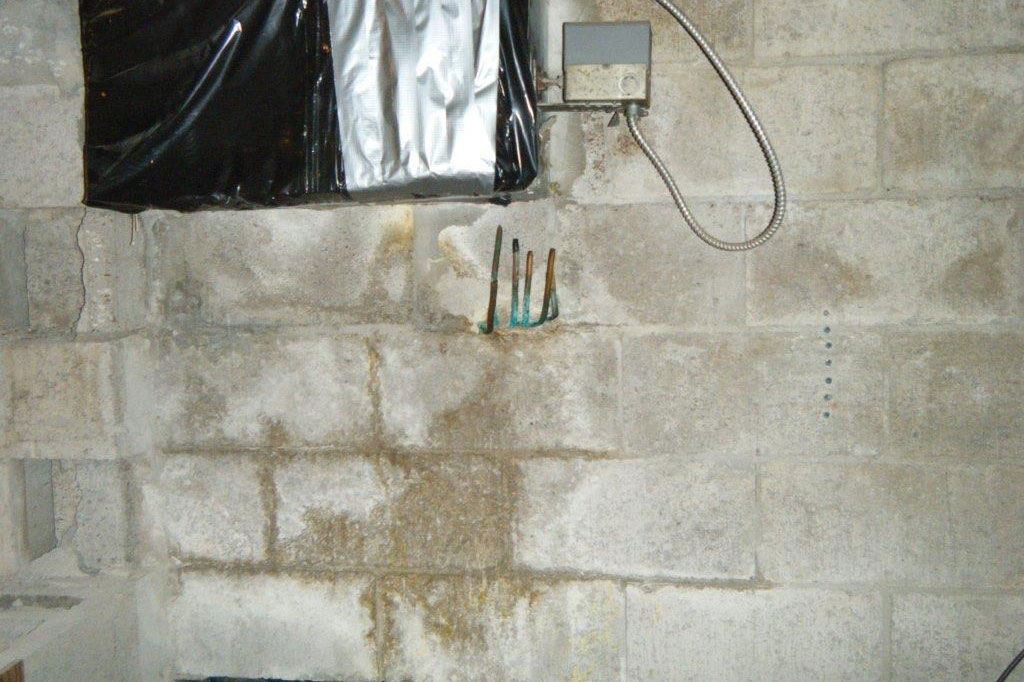
First, locate the furnace inside your home. Do you notice any small copper pipes that appear to have been pinched closed? If so, your home likely used to be heated with an oil tank. This is a clear sign that an inspection is needed to discover an underground oil tank that may be leaking on your property.

Example of copper oil line with a warning: “do not use”
Copper pipes coming thru the basement wall from an underground tank

Examples of Residential Oil Tank Signs

See the two- inch caped pipe which protrudes above ground in these photos? This a 100 % guarantee that an underground tank is there.

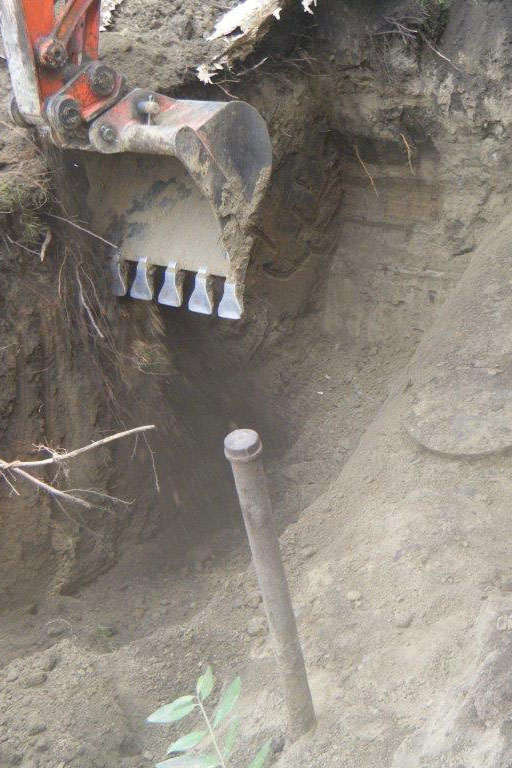
Oil tank vent pipe emerging from the ground.

What About Above Ground Oil Tanks?

Great question! Above ground liquid storage tanks need to be inspected and potentially removed due to leaks and other potential risks as well.

Please see the below photos for your reference on what to look for when it comes to detecting an above ground tank. If you have any questions, do not hesitate to contact us today at 905-876-8298.

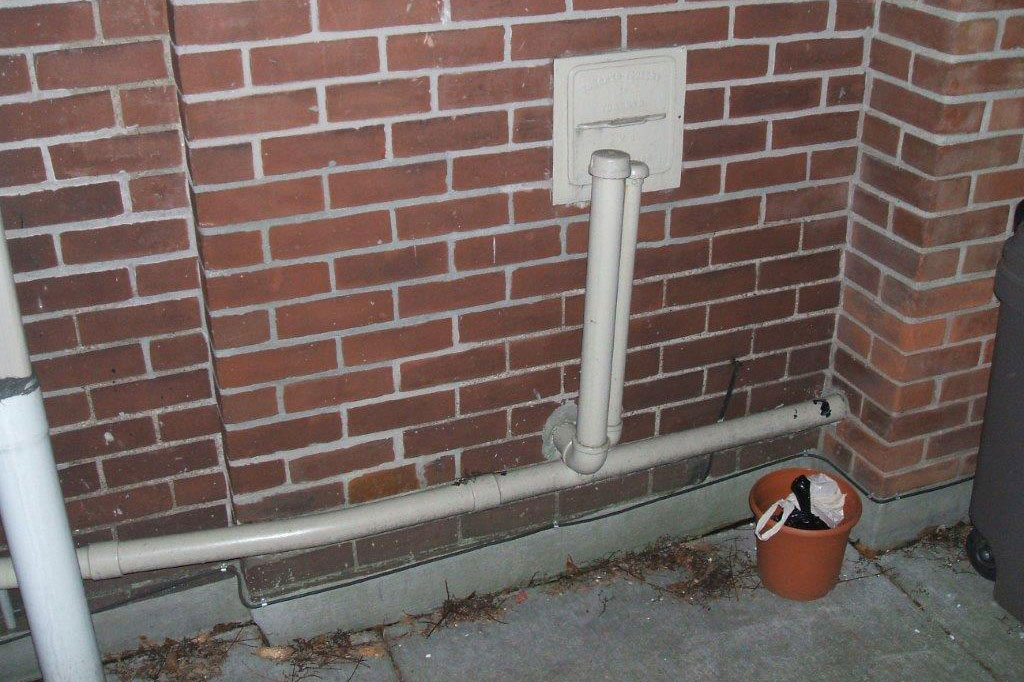
Above ground heating oil tank vent and fill piping. Notice the pipes go through the building wall and not into the ground.
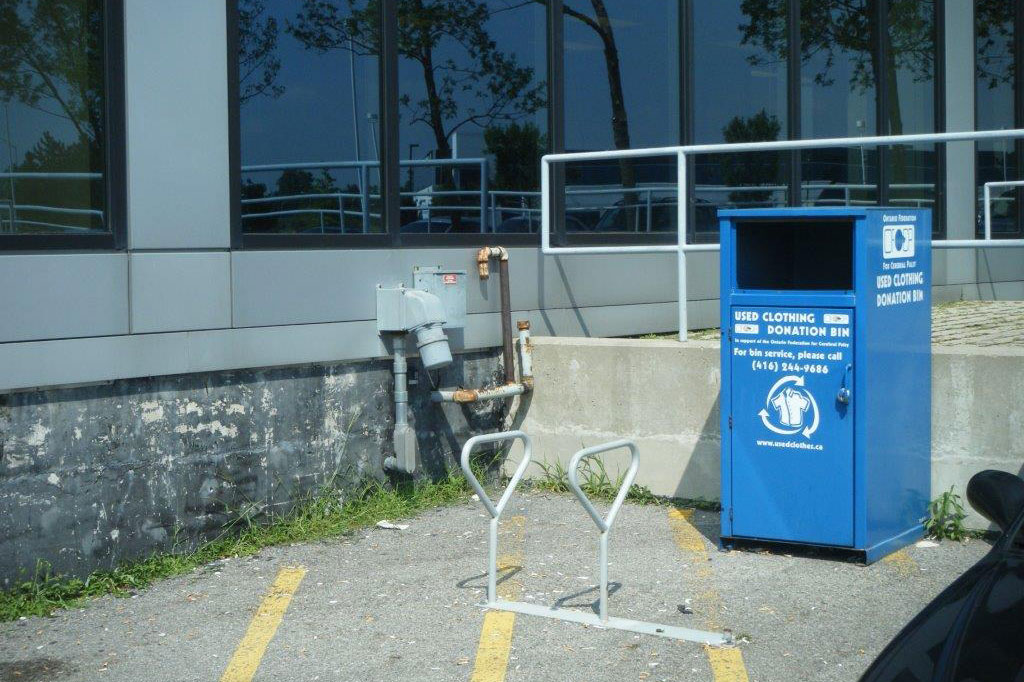
Aboveground tank inside. Vent and fill right beside electrical hook up.

Contact Waterline Environmental Today

Waterline Environmental Inc. is a Canadian owned and operated commercial and residential oil tank removal company that believes wholeheartedly in increasing safety and preserving the environment.

Our oil tank removals, foundation underpinning, soil remediation, and other contamination removal services go above and beyond to make your difficult oil tank removal situation as stress-free as possible.

President: Stu Ferguson
Email: waterline1943@gmail.com
Direct: 905-876-8298
Office: 855-333-6604

Filed Under: Uncategorized

April 11, 2019 by Waterline Environmental

3 Reasons Real Estate Agents Need Underground Oil Tank Removal Partners They Can Trust

couple shaking hands with real estate agent

You’ve probably heard the horror stories: a couple goes to sell their home and suddenly finds out there’s a massive problem – a residential oil tank is leaking below them. Not only is this upsetting to sellers and buyers, but it can also prevent you, as a real estate agent, from securing a sale.

With your real estate reputation on the line during your client’s buying or selling process, it’s critical that you are aware of what to do and who refer your clients to in the case that an oil tank is present on the property in question.

In this article, we take a look at the top three reasons you should consider working with the same removal company each time you have an oil tank concern.

1. Partnerships Build Trust

Working with the same oil tank inspectors, removers, soil analysts, and soil remediators will not only simplify a stressful situation, but it’ll also help you to build a relationship with people you can trust to give you the best advice and quotes.

2. Professional Service Guaranteed

Want the job done right the first time? When building a partnership with your oil tank removers of choice, you’ll be able to see first-hand the level of professional service that is delivered time and time again.

Working with the best oil tank removal company in the business with not only protect your reputation as an agent, but you’ll also be able to reassure your clients that the company you’ve referred them to has done superb work for you in the past.

oil tank removal company performing a residential oil tank removal

3. Ready When You Need Them

When you work with an oil tank removal company like Waterline Environmental, we put yours, and your clients, needs first. That’s why we do our very best to get out to your location as quickly as possible to get started.

We’re ready to provide whichever service you need, wherever and whenever you need us. Contact us today!


Tips On What To Look For In A Trusted Oil Tank Removal Company

A trusted oil tank removal company will likely possess:

  • Years of Experience
  • Specialization
  • TSSA License
  • PM2 & PM3 License
  • Environmental Liability Insurance
  • Member of Ontario Petroleum Contractors’ Association
  • Environmental Consideration

Contact Us Today!

You can rest assured, Waterline Environmental is fully licensed and has a reputation for delivering comprehensive, stress-free service. Contact us today to learn more about why Waterline is your best choice for a residential oil tank removal partner.

President: S.A. (Stu) Ferguson
Email: waterline1943@gmail.com
Direct: 905-876-8298
Office: 855-333-6604
Fax: 519-856-2149

Filed Under: Uncategorized

April 1, 2019 by Waterline Environmental

5 Reasons Soil Analysis Is So Important Following Oil Tank Removal

Underground oil tank being removed from ground in front of home

All industrial oil tanks and residential oil tanks in Canada must be registered and meet current regulations. For example, if a tank exceeds 25 years or is of an unknown age, fuel suppliers are not permitted to fill the tank.

If you have an oil tank that is no longer in use, you are also required to have it removed by a professional such as Waterline Environmental, who can dig it out (if underground), remove any existing oils, and expertly test the surrounding soil for leaks and contamination.

The Risks of Soil Contamination

With underground tanks, many home and business owners don’t realize that they have been living or working on top of a tank that has cracked, rusted, and contaminated the ground beneath them.This is concerning as oil can impact soil quality, the health of your family and neighbours, and prevent the resale of your property.

If you suspect you have an oil tank on your property, the team at Waterline Environmental can visit your site location, provide a firm quote for your oil tank removal, and locate all services required, prior to excavation. The Waterline team will also perform a thorough soil analysis, verified by a Geoscientist.

Learn more about why a soil analysis is crucial for your property following tank removal:

1. Protecting The Environment

If you have located an old above ground or underground oil tank on your residential or industrial property, removal and soil analysis is crucial for ensuring the earth beneath you is not further poisoned and the environment is protected.

If your tank is successfully removed, and your soil analysis comes back clear, all is good! However, if the soil analysis determines that the soil has a higher part per million (ppm) than the Ministry of Environment guidelines permit, the soil will need to be removed and transported to a registered receiver for remediation.

To learn more about Waterline’s remediation process, please visit our Soil Remediation page.

Concept of environmentally friendly. Glass globe earth sitting on moss and leaves.

2. Conserve Energy & Money

Don’t wait for costly clean up! If you are in need of an oil tank removal and soil testing, it’s important to move quickly before the situation becomes increasingly complex. The more severe the removal and testing situation, the more costly and demanding the oil tank removal process can become.

Call Waterline to set up your inspection and quote.

3. Crop Optimization

Soil testing is also essential for those looking to optimize plant culture on their farm or in your garden after an oil tank is removed. If the soil surrounding your tank is contaminated, plants may not grow, they can die, cause harm to those ingesting them, or grow with abnormalities.

Oil tank or not, testing your soil is always a good idea when it comes to crop growth.

Young girl pulling carrot out of ground in vegetable garden.

4. Protecting Yourself & Your Neighbours

When it rains, contaminated soil can run into your home, your garden, throughout your yard, and into your neighbour’s properties. Contaminated soil can cause issues through:

  • Direct contact
  • Ingestion (water, food)
  • Inhalation

5. Re-Selling Your Home

Having contaminated soil from an oil tank will prevent you from being able to sell your home or property as specific government regulations demand secure soil samples following tank removal.

The report generated by your soil analysis must be signed by the attending P. Geo and meet all MOE&E, CSA, and TSSA code requirements. With Waterline Environmental, your test results will be returned with accuracy and reliability.


Understanding The Process of Soil Remediation

If your soil analysis determines that your soil is indeed contaminated, it is mandatory that remediation occurs to restore the site to its natural, healthy state.

  • When an oil tank is expertly removed, a perimeter analysis of the tank is taken.
  • Once the level of contamination has been estimated, workers dig the contaminant out completely.
  • The contaminant is placed in a lined, leak-free bin.
  • Once excavated, additional samples of the sides and bottom of the hole are taken.

If the site complies with environmental regulation criteria, the hole can be filled and reported as having met all requirements.

However, if the site fails testing, additional soil remediation may be required to meet mandatory regulations.

Filed Under: Uncategorized

  • « Previous Page
  • 1
  • 2
  • 3
  • 4
  • 5
  • Next Page »

Contact Waterline Environmental


President: S.A. (Stu) Ferguson
Email: waterline1943@gmail.com
Direct: 905-876-8298
Office: 855-333-6604
Fax: 519-856-2149

Waterline Environmental Inc.
President: S.A. (Stu) Ferguson
Email: waterline1943@gmail.com
Direct: 905-876-8298       

Waterline Environmental accepts visa  Waterline Environmental accepts mastercard

Waterline is Canadian owned and operated and believes in preserving the environment. We take great pride in the quality of workmanship and believe in a "hands-on" approach. Waterline is TSSA Licensed, PM2 and PM3 licensed (required by code), Environmentally insured and a member of the Ontario Petroleum Contractors' Association.

© 2026 · Waterline Environmental Inc.